
Korea Meteorological Administration

We researched next-generation public warning technology that upgrades earthquake and tsunami alerts to international standards and extends them to automated responses by IoT devices.

About the customer

Monitoring earthquakes and volcanoes 24 hours a day, 365 days a year

The Korea Meteorological Administration is a central government agency that continuously monitors earthquakes and volcanoes in Korea and abroad and provides earthquake early warnings. To reduce damage caused by network failures and delays in information delivery during large-scale disasters, it has worked to enhance emergency alert messaging and diversify delivery channels. Since 2020, it has researched a next-generation earthquake alert service and IoT-based automated response technology with SyncTechno.

Challenge

Faster alerts, multilingual support, diverse delivery channels and international compatibility had to be addressed together

The Korea Meteorological Administration sought to enhance its 5G-based emergency alert system and refine its detailed CAP (Common Alerting Protocol) specifications to support multiple languages and delivery channels. At the same time, it needed to extend public warnings to IoT devices through the oneM2M international standard and reflect domestic requirements in international standards to ensure global compatibility.
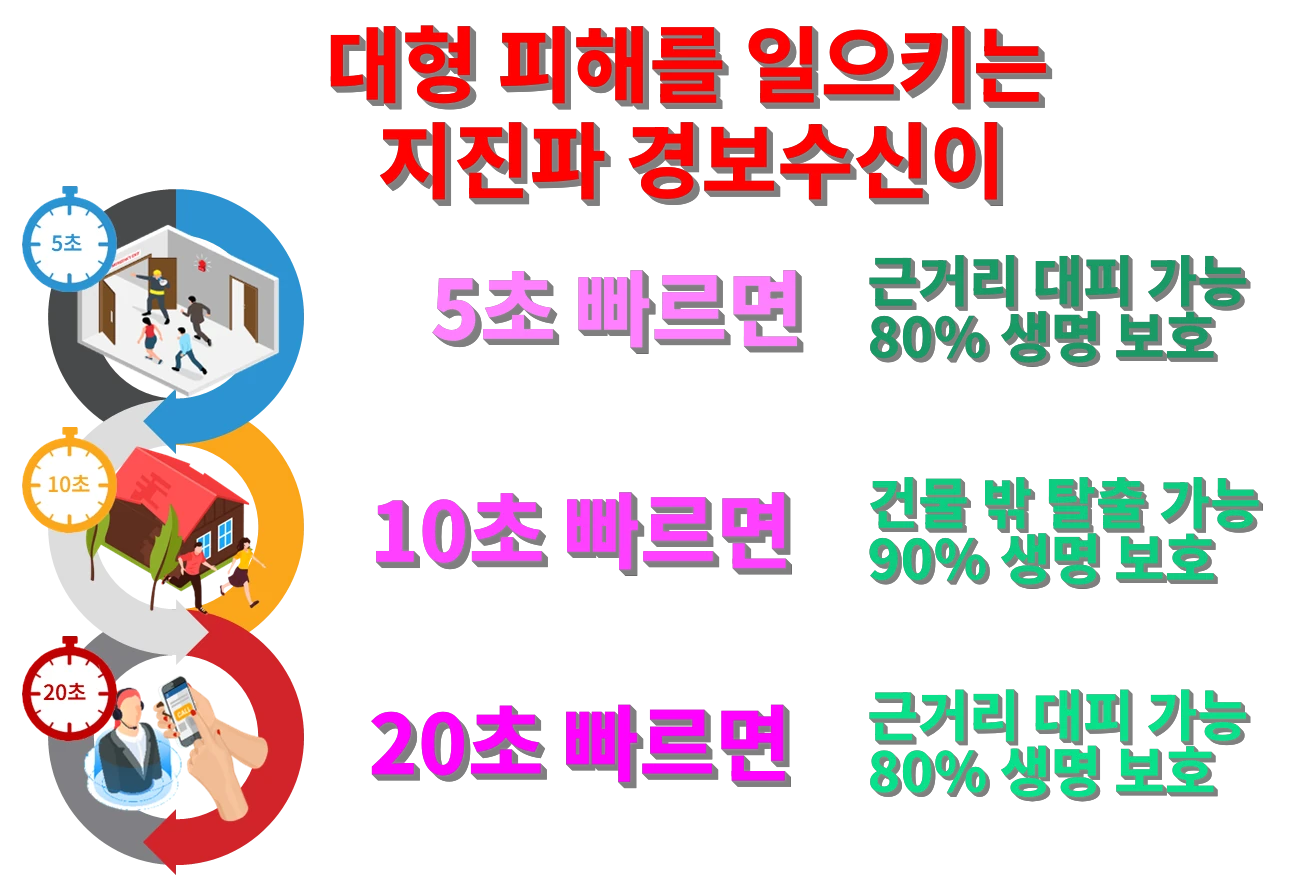
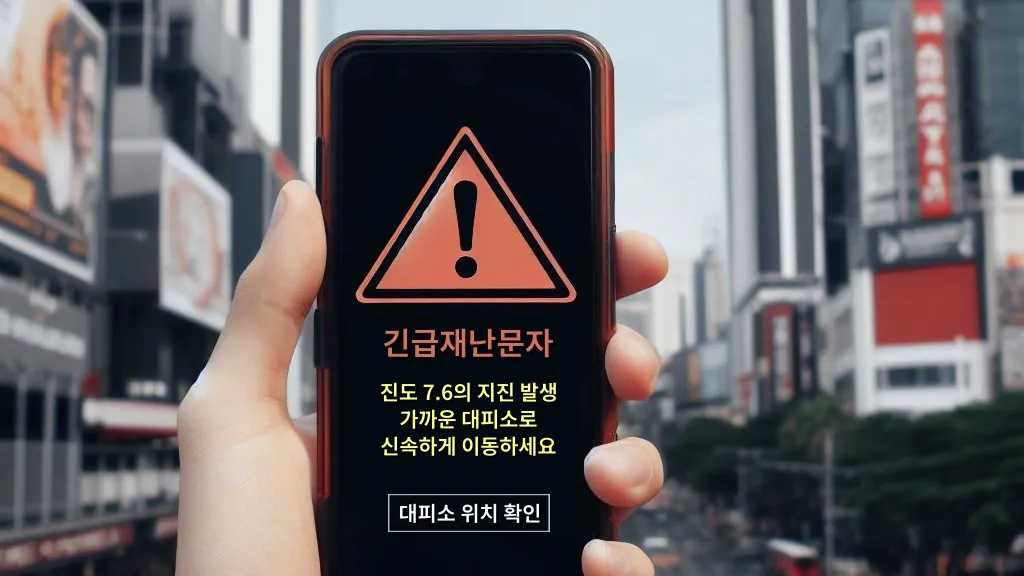
Material explaining the importance of alert delivery speed and evacuation time
Solution

Detailed CAP specifications, oneM2M international standardization and a reference model for automated actions were combined in a single project

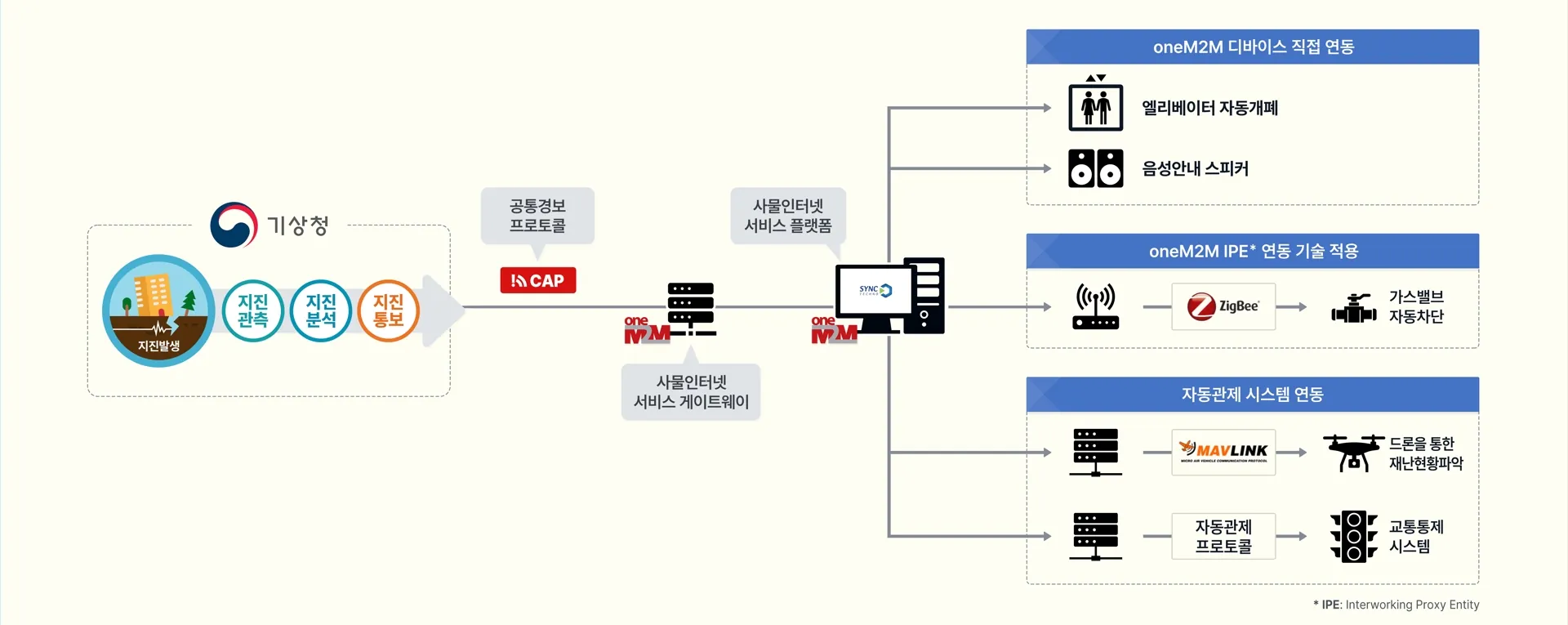
Together with the Korea Meteorological Administration, SyncTechno proposed the Enhanced Public Warning Service Enabler work item to the oneM2M international standards organization and obtained approval. We then designed a reference model in which an earthquake notification is issued as a CAP message and passes through IoT gateways and platforms to trigger actions by field devices, and carried out phased application scenarios and unit tests.

  1. 01CAP and oneM2M interoperability

    We defined requirements for linking CAP alert messages with the oneM2M service layer so they can be used across different IoT environments.

  2. 02Alert prioritization

    We proposed service-layer alert handling requirements so that emergency messages are processed ahead of general data.

  3. 03Large-scale IoT delivery

    We reviewed architectures and requirements for delivering alerts efficiently to large numbers of IoT devices.

  4. 04Automated actions on alert reception

    We developed reference scenarios in which receiving an alert leads to real actions by emergency doors, gas valves, traffic and production facilities, elevators, UAVs and other equipment.

Reference model linking various devices and automation systems through CAP and oneM2M
Outcome

Beyond standardization, we validated an architecture in which agency systems and field devices work together

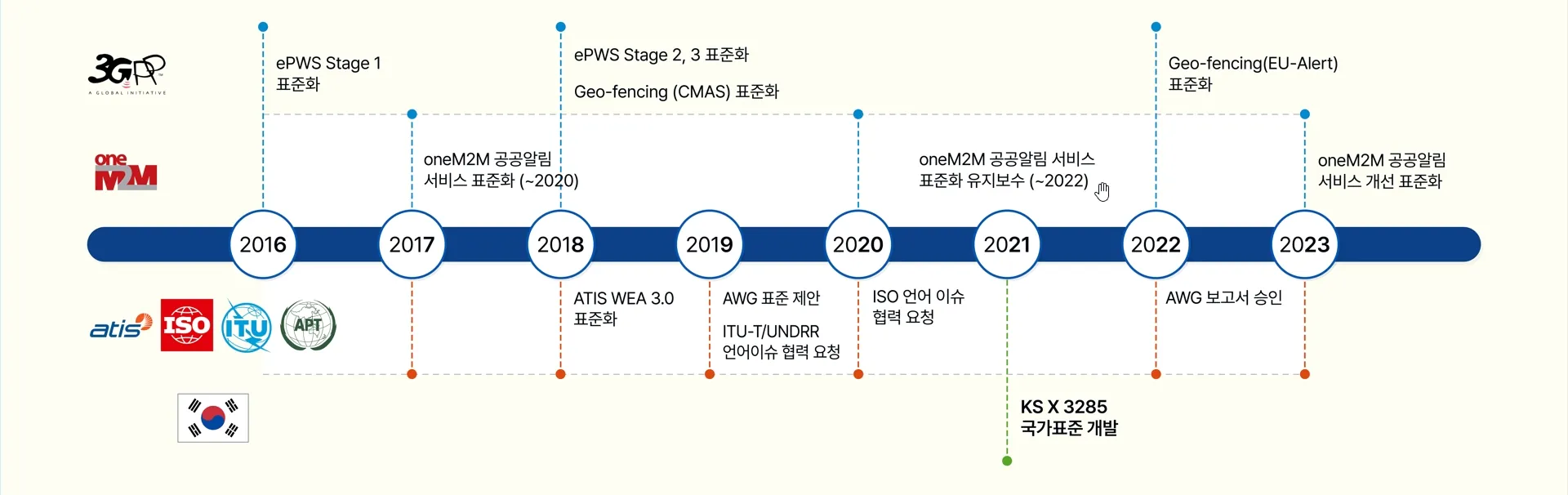
Drawing on standards activities in 3GPP, APT AWG, oneM2M and other bodies since 2016 and on its own R&D capabilities, SyncTechno reflected the Korea Meteorological Administration’s requirements in international standards and implemented them as system architectures and automated response scenarios. The key was not stopping at proposing standards but developing and validating the reference model and use cases directly, linking standardization and implementation in a single project. At the time of the project, unifying specifications across delivery channels such as mobile carriers, portals, regional warning systems and broadcasters and expanding the scope of application were identified as next steps.

Key milestones in public warning standardization activities